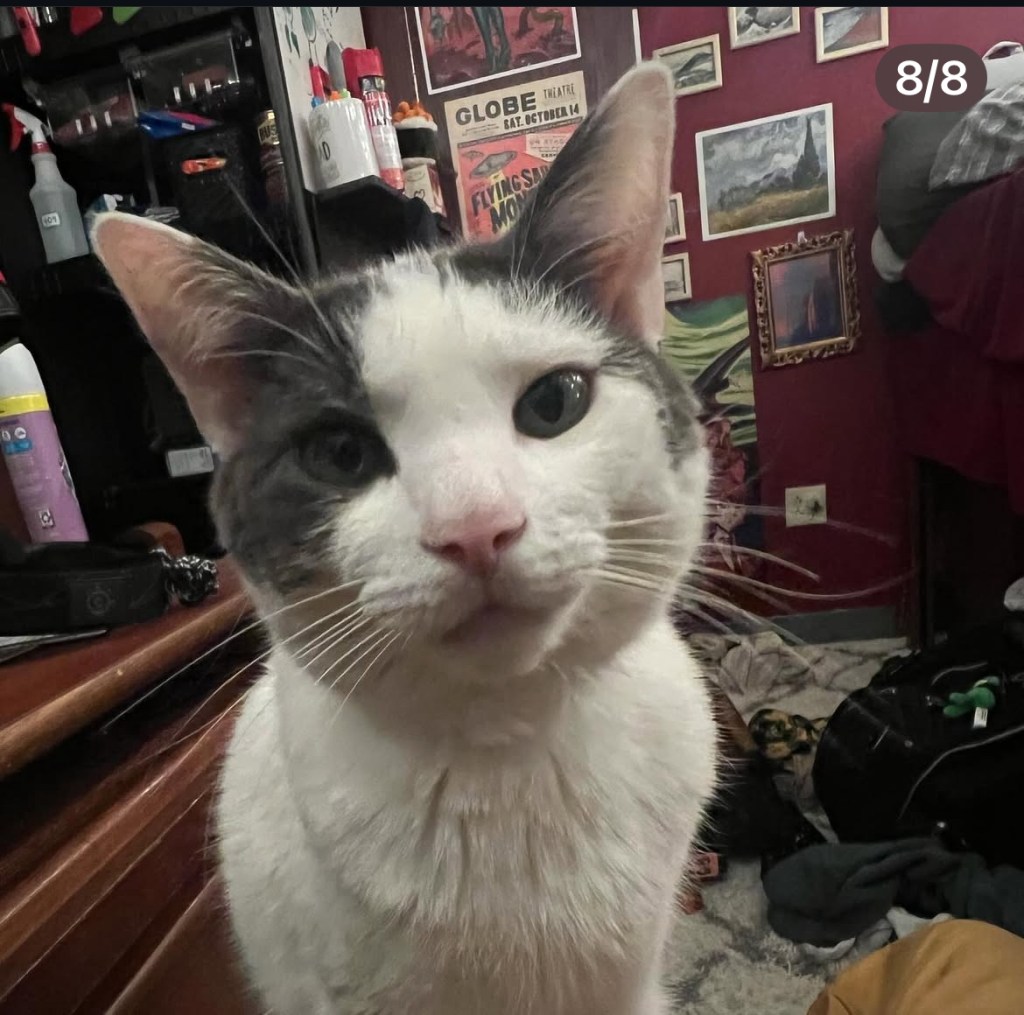
Thinking about bringing an Emotional Support Animal (ESA) to college? You’re not alone—and you’re not crazy. But before you show up with a guinea pig in one arm and a therapy peacock in the other (yes, that’s happened), there are a few things you need to know.
🐶 ESA, Therapy, or Service Animal—Wait, Which One Is It?
Let’s clear up the confusion. There are three main categories when it comes to animals providing support:
- Service Animals: Trained to do specific tasks for someone with a disability (think guide dogs or seizure alert dogs).
- Therapy Animals: Visit places like hospitals or schools to comfort others, but aren’t assigned to one person.
- Emotional Support Animals (ESAs): Offer companionship and comfort for someone with a diagnosed emotional or psychological condition.
👉 Want to dive deeper? Check out this guide to Service, Therapy, and Support Animals.
🧾 Does My ESA Need to Be Certified?
Short answer: NO.
Long answer: Still no.
There are countless websites like supportpets.com, usaservicedogs.org, and esaregistration.org that look official. They’ll offer to “certify” your ESA—for a price. Save your money. These certificates are as useful as a “World’s Best Mom” mug from your 3rd grader. If you really want a certificate, open up Canva and make one yourself. Just as valid. ✨
📋 What Documentation Is Required?
Every school handles this a little differently, but let’s use Vanderbilt University’s policy as an example:
- The student (aka the handler) must have a documented disability under the ADA.
- The documentation must come from a reliable provider who knows your case—not a random online therapist you Zoomed with for 10 minutes.
- Once approved, housing may ask for vet records, a photo, and local registration info (if applicable).
🔑 The key? The documentation is about you, not your animal. The ESA is a result of your need—not the center of the paperwork.
🧠 Why Would Someone Need an ESA?
The whole point of an ESA is to offer emotional support, comfort, or companionship to someone with a disability. Still sound vague? Let’s break it down:
Say your student struggles with depression and has trouble getting out of bed. An ESA (like a dog or even a stress-sensing cat) can provide purpose, routine, and comfort—things that can seriously improve mental health.
Want proof animals are amazing? Check out the story of Oscar, the therapy cat in a hospice center who intuitively comforted dying patients. There’s even a book about him: Making Rounds with Oscar. 📚1
🐰 What Kind of Animal Can Be an ESA?
Technically? Almost anything.
Realistically? Keep it reasonable.
Cats, dogs, rabbits, guinea pigs—these are the usual suspects on campus. I once worked with a student who had sugar gliders…until we realized they were illegal in that state. 😬
Moral of the story: check state laws and school policies first.
🏫 Are There Campuses That Just Allow Pets?
Believe it or not, yes! Some colleges are leaning into the “pets as wellness” trend and have designated pet-friendly dorms. One school even decided it was easier to allow all small pets than deal with the mountain of ESA requests.
🐹 Read more about that school’s pet policy here.
⏰ When Should I Get My ESA Approved?
The sooner, the better—but there’s no hard deadline.
Housing might post their own timelines, but the ESA approval process is flexible. You can apply before your first semester or halfway through junior year. What matters is having valid documentation—not when you apply.
🤫 What Schools Might Not Tell You…
Here’s a little secret: disability offices don’t really evaluate your animal.
They will ask about the animal, but that’s more about helping you think through logistics (housing, behavior, etc.). Their job is to determine whether you meet the criteria for needing an ESA—not whether your ferret seems “campus-ready.”
As long as your documentation is solid, they typically can’t say no. 🎯
🏘️ What If I Live Off Campus?
You’re still covered.
Under the Fair Housing Act, landlords must make reasonable accommodations for ESAs. They may ask for a letter or use a third-party verification system—but they cannot legally reject your ESA just because they don’t allow pets.
❓Still Have Questions?
This process can feel overwhelming—but you’re not alone. Whether you’re a student navigating your first year or a parent trying to support from afar, feel free to reach out with questions. 🐾💬


Visit My Website: Helping Families Navigate College
 Helping Families Navigate College